I fell in love with a breed of dog because of a film, which is an embarrassing sentence to write, and I am going to write it down anyway.
The film was Hachi, the one with Richard Gere, and it is the true-ish story of an Akita in Japan named Hachiko. The shape of it is simple and quietly devastating. A man finds a lost puppy and takes him in, and every morning the dog walks him to the train station, and every evening waits there to meet him coming home. Then one day the man does not come home — he dies at work, suddenly — and the next evening the dog goes back to the station and waits anyway. And the evening after that. For nine years. Through nine winters. Until he dies too, still waiting, in the same spot.
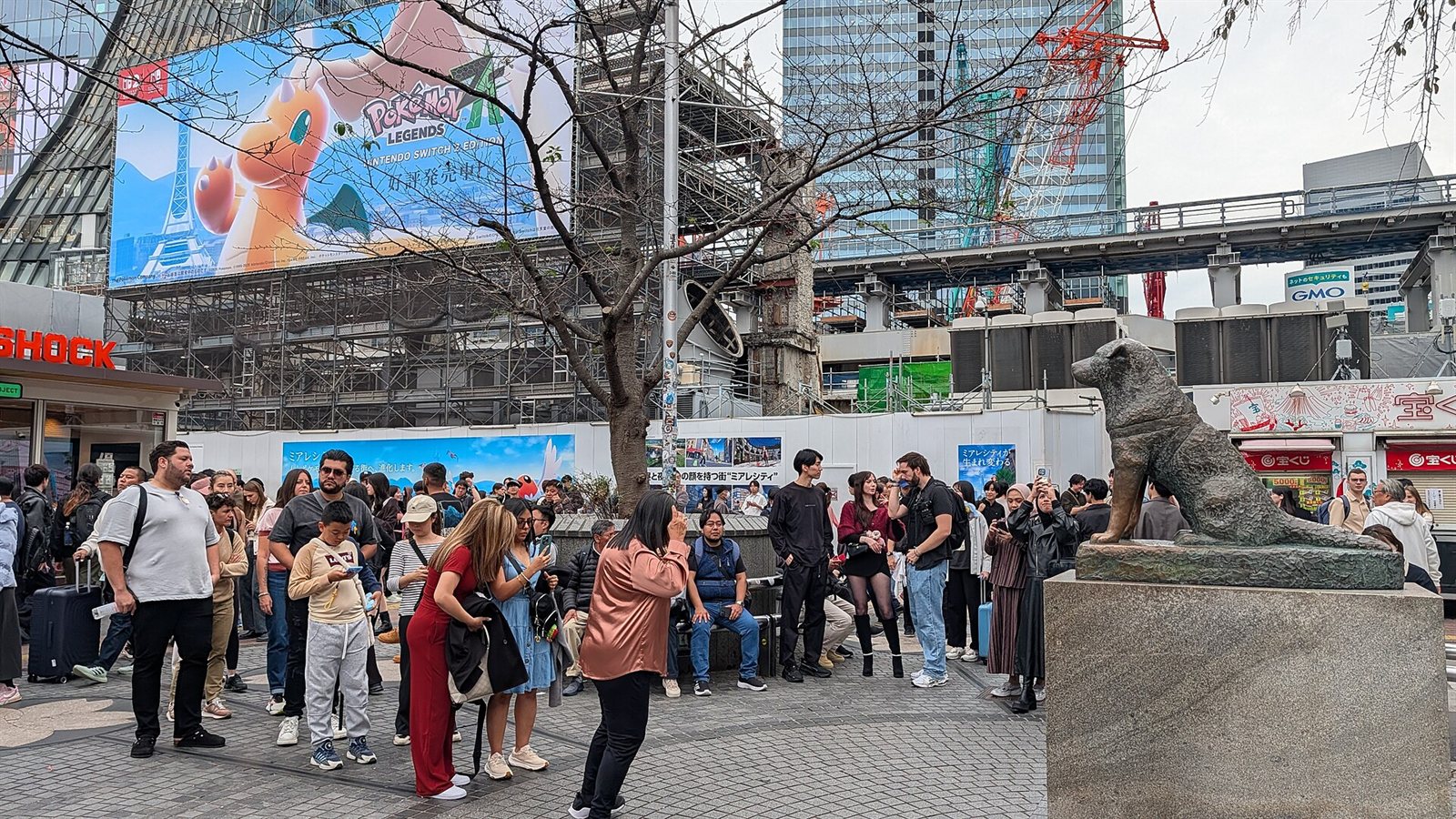
There is a statue of the real Hachiko outside Shibuya Station now. People meet their friends there, beside a bronze dog who is, in a sense, still waiting.
I had not thought much about Akitas before that. They are big, dignified, faintly aloof dogs, with thick coats and curled tails and a way of looking at you that suggests they have already formed an opinion. After the film I could not stop reading about them, and the thing that comes up again and again is exactly that — the loyalty. Not the eager, jumping loyalty of a dog that loves everyone it meets. A quieter, narrower, almost stubborn kind. An Akita chooses, and then it does not really un-choose.
I suspect I am drawn to that because I admire it in general: the idea of attaching yourself to a person or a place and simply staying — past the point where staying is sensible, past the point where anyone is keeping score. It is the same thing I love in pigeons, I think. It is probably the same thing that keeps tugging me, in my head, back towards a country I no longer live in.
I will most likely never own one. They are a serious dog, not an apartment-in-a-foreign-city dog, and it would not be fair to either of us. But I think about Hachiko more often than I expected to, given that I only sat down, idly, to watch a sad film one evening. A dog who decided, once, where he belonged, and never accepted that it had changed. We could all do a great deal worse than that.