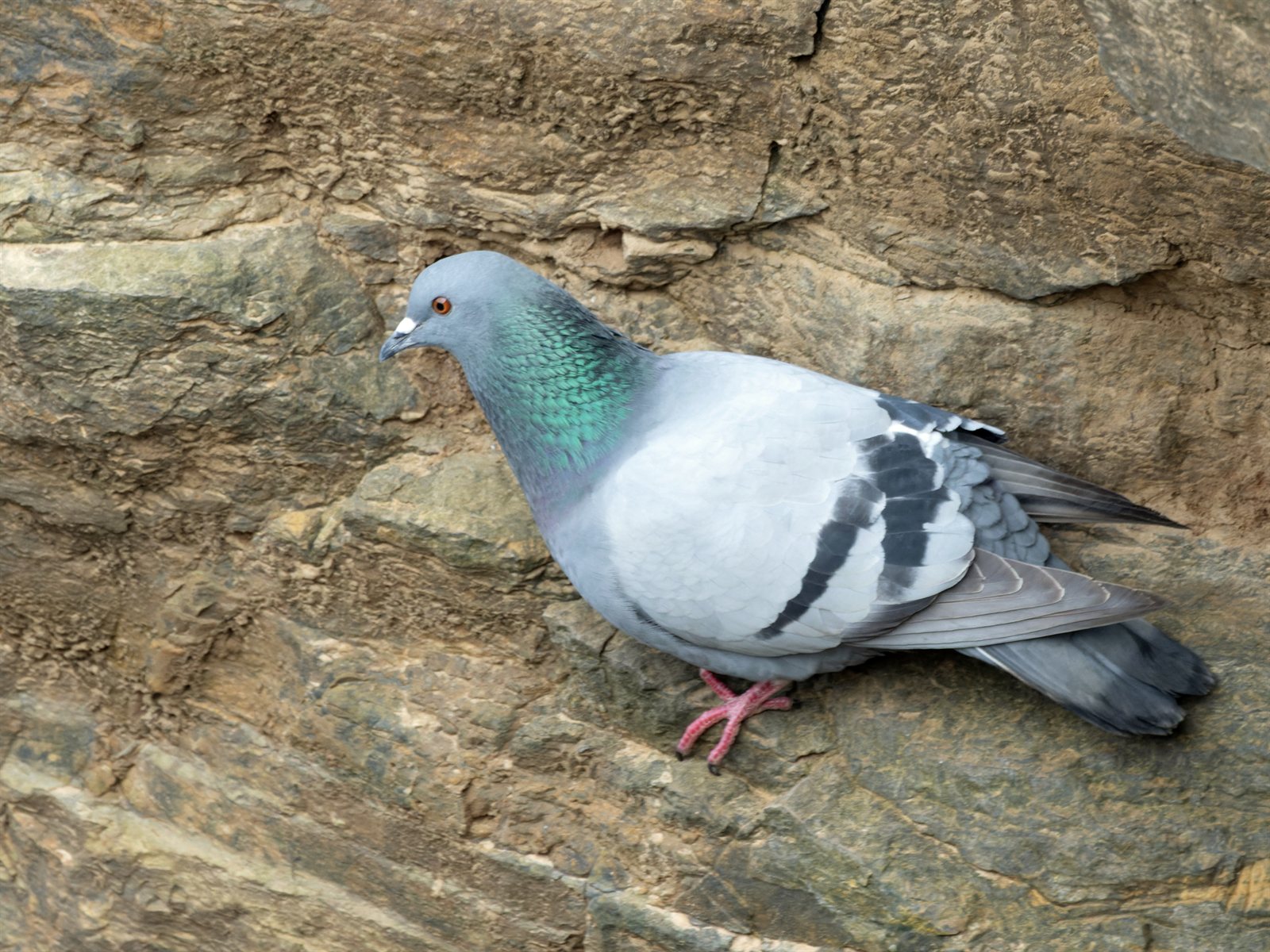
In the city where I live now, people do not like pigeons. They call them rats with wings. There are little metal spikes on the window ledges to keep them off, and a particular flick of the hand that people use to send them scattering off a café table. I understand it, I suppose. There are a great many of them, and they are not tidy.
Where I grew up, it was different. In Pakistan a pigeon is not vermin. On countless rooftops there are men — and it is mostly men — who keep them, feed them, know them by sight, and fly them in the evenings in great wheeling circles against the dusk. Outside the shrines, people buy small paper cones of grain to scatter for them, because feeding birds is counted as a quiet good deed, the kind you do and tell no one about. The cooing from a ledge at dawn is not noise there. It is just part of the morning.
So I carry two cities’ opinions of the same bird, and I have decided to keep the kinder one.
What I love about pigeons is their loyalty, which is unfashionable and almost total. A pigeon knows its home. You can carry one for hundreds of miles in a covered basket, along roads it has never seen, and let it go, and it will find its way back — over rivers and motorways and whole ranges of hills — to the single ledge it calls its own. People once trusted them with messages in wartime, and they delivered them, and some of them died doing it. There are pigeons that were given medals. We have mostly forgotten that.
They are loyal to each other, too. A pair will stay together season after season, taking turns to sit on the eggs, rebuilding the same scruffy nest in the same bad spot every year. It is not romantic in any grand way. It is just steady. I find I respect that more, the older I get.
So it does not surprise me that the dove — which is really only a pigeon in a finer coat — became the bird we reach for when we want to say peace, or love, or coming home. The pigeon was already all of those things. We simply handed its prettier cousin the credit.
They are cleverer than they let on, as well. They can tell human faces apart. They remember who has been kind to them. There are studies, if you need them, but you do not really need them; you only have to feed the same balcony for a week and notice who comes back, and how they look at you while they wait.
The one thing I cannot make peace with is their feet. In cities, pigeons get human hair and loose thread wound around their toes — off the pavements, from the barbers, shed by all of us — and it tightens, and will not loosen, and slowly it costs them a toe, and sometimes a whole foot. Once you have seen it, you cannot stop seeing it: half the birds in any square are balancing on little stumps. It is such a small, stupid, fixable cruelty, and it is ours. That is the part that gets me, every single time.
I am not asking anyone to love them. I know it is a hard sell. I only stop, now and then, to put down a little grain, and to look a moment longer at a bird the rest of the world has quietly agreed to find beneath its notice. It costs nothing. And it feels, in a small way, like keeping faith with home.